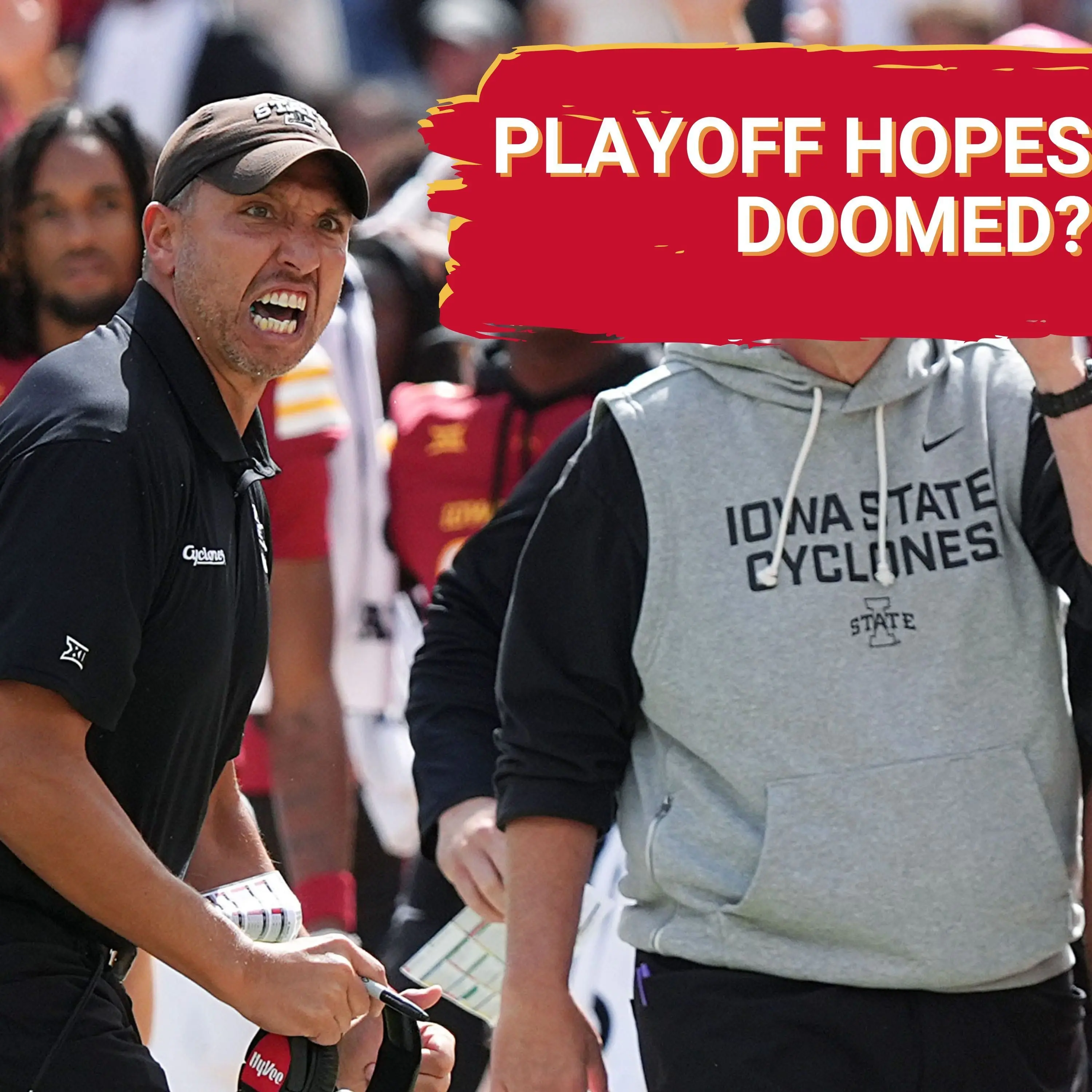
The Associated Press college football poll, while a beloved tradition, is fundamentally flawed by its subjective and often uncritical voting process. The poll, comprised of sportswriters and broadcasters, is supposed to reflect a national consensus on the top teams, but it frequently falls victim to voter bias, regionalism, and a lack of in-depth game film study. This systemic problem creates a self-fulfilling prophecy where established, big-name programs are given the benefit of the doubt, while underdog teams from outside the traditional power conferences or who don’t have a national following are left to prove themselves week after week with
The Associated Press college football poll, while a beloved tradition, is fundamentally flawed by its subjective and often uncritical voting process. The poll, comprised of sportswriters and broadcasters, is supposed to reflect a national consensus on the top teams, but it frequently falls victim to voter bias, regionalism, and a lack of in-depth game film study. This systemic problem creates a self-fulfilling prophecy where established, big-name programs are given the benefit of the doubt, while underdog teams from outside the traditional power conferences or who don’t have a national following are left to prove themselves week after week with