



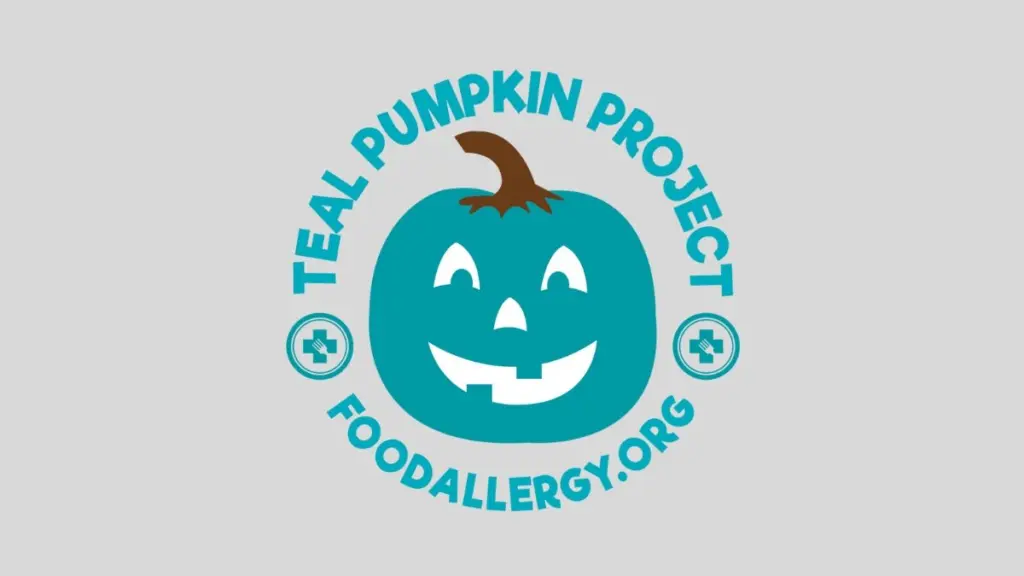
Food allergies affect about one in 13 children in the United States, and traditional Halloween candy often contains common allergens, like peanuts, milk, or wheat. A nationwide effort to make the holiday safer, known as the Teal Pumpkin Project, encourages families to offer non-food treats for trick-or-treaters who may have dietary restrictions. Households can place a teal-colored pumpkin on their doorstop as a sign that they have non-food goodies, such as stickers, small toys, or glow sticks, available, so kids can fully participate in the trick-or-treat experience. The initiative is led by the Food Allergy Research & Education (FARE) organization, which helps raise awareness and encourage minor adjustments. Families can join by displaying a teal pumpkin and adding their address to the project’s interactive online map, allowing others to find allergy-friendly homes in their area. A link to sign up for the map or to plan your route is included below.
_____