




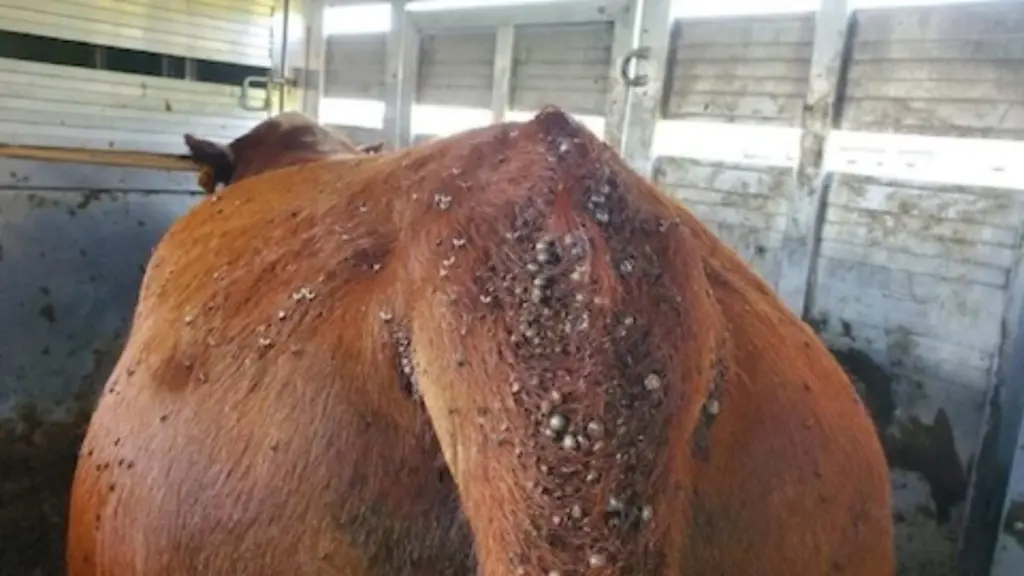
Pictured: An example of bovine tick infestation. Photo Credit: Dr. Dan Goehl
The Iowa Department of Agriculture and Land Stewardship has confirmed the state’s first case of Theileriosis, a tick-borne disease affecting cattle, in a herd located in Van Buren County in southeast Iowa. The disease is caused by a protozoan parasite that attacks red and white blood cells, leading to anemia, respiratory issues, and, in severe cases, death. The parasite is transmitted by the Asian Longhorned Tick, which was recently identified in Iowa for the first time. This species of tick becomes especially active in summer, and infestation surges are common after cattle are moved to new pastures where the ticks can be found. Producers are urged to monitor their herds for tick infestations, lethargy, jaundice, swelling, and difficulty breathing. If Theileriosis is suspected, producers should contact their veterinarian to collect samples for submission to the Iowa State University (ISU) Veterinary Diagnostic Laboratory. IDALS also recommends producers should use more than ear tags to control ticks, such as pour-on treatments or back rubbers. There are currently no approved treatments for Theileriosis in the United States. Officials say Theileriosis poses no human health risk but can be detrimental to cattle. For more information, follow the link included below.
______
______